A Note from Pastor Madeline

The Importance of Symbols
The importance of symbols is something I have pondered quite a bit recently. According to National Geographic Magazine, "People use symbols to provide concrete representations of qualities, ideas, or concepts." In everyday life, warning signs on roadways or in office buildings use universal symbols to convey danger, such as a skull and crossbones for something that is poisonous, or an exclamation point for something that is hazardous. Or, they might show simple, less urgent warnings, such as illustrations of people walking to show the location of a crosswalk.
Religions also have their own sets of symbols to represent the divine or sacred. Sometimes, religious symbolism can include objects, such as the Christian cross or the Muslim symbol for Muhammad, who—most Muslims believe—should never be shown in human form. Other times, religious symbols are gestures or actions, such as standing during portions of worship or immersing someone in water (or sprinkling water on a forehead) as a symbol of the transforming power
of Baptism.
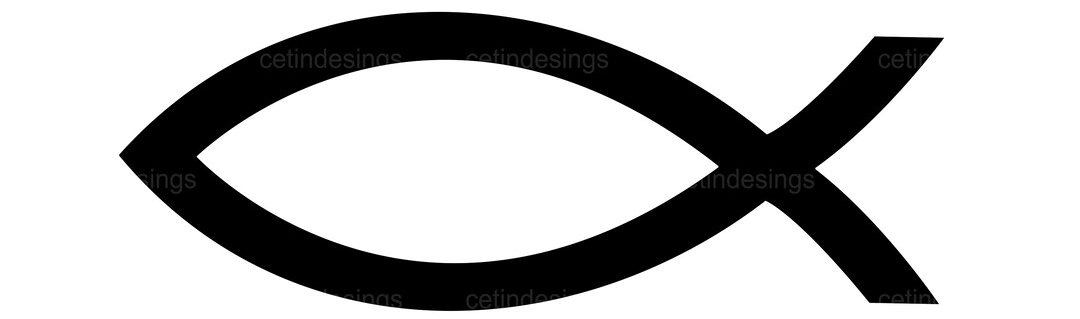
In many ways, symbols also let us know we are safe or that we belong, especially in places where that may not have always been true. The ichthys is, in its modern rendition, a symbol consisting of two intersecting arcs, the right ends extending beyond the meeting point so as to resemble the profile of a fish. It has been speculated that the symbol was used by early Christians as a secret symbol to determine if another was indeed Christian. It is now known colloquially as the "Jesus fish." This symbol is widely used by Christians as a sign of their faith, often being found on vehicles, necklaces and laptop stickers
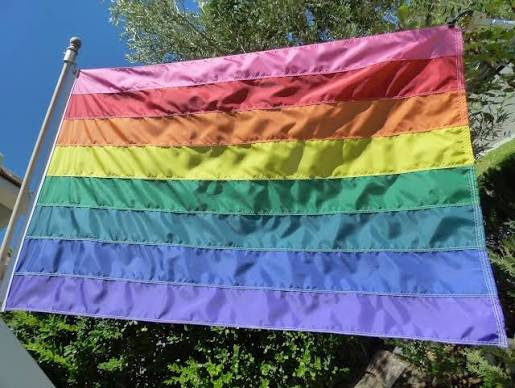
Another symbol that has become widely used in our world today to indicate belonging and a sense of "you are safe here," is the rainbow.
The rainbow flag became the universal symbol of LGBTQ+ pride in June 1978, when artist and activist Gilbert Baker designed it for the San Francisco Gay Freedom Day Parade. The different colors within the flag were meant to represent togetherness, since LGBTQ+ people come in all races, ages and genders, and rainbows are both natural and beautiful. The original flag featured eight colors, each having a different meaning.
Some people have asked me why I occasionally wear a rainbow stole or a T-shirt that says "Proud Ally" in rainbow colors or have, at times, included the rainbow picket fence created by local activist Ann Brodsky on our front sign. Well, it's because I want all people, especially those who have not always been welcomed in church or embraced for who they are, to know this is a safe a place - A Loving Church Where all are Welcome!" The same way I wear a cross on a chain around my neck to let people know I am follower of Christ, I display other symbols to let the oppressed and marginalized know that our church is a safe place to be who your are - your authentic self. Some people who have been hurt or excluded in the past need a little bit more encouragement to know that they are loved and embraced.
By the way, if you ever any questions about anything, you are more than welcome to come to me (or anyone in leadership) and ask. God speaks to us all in different ways and we all have different life experiences that we are called to share with one another.
From whom the whole body, joined and held together by every joint with which it is equipped, when each part is working properly, makes the body grow so that it builds itself up in love. (Ephesians 4:16)
Grace and Peace
-Pastor Madeline